Expert interviews · Case 002
Inside the Beeswax Wreck investigation
Meet the expert
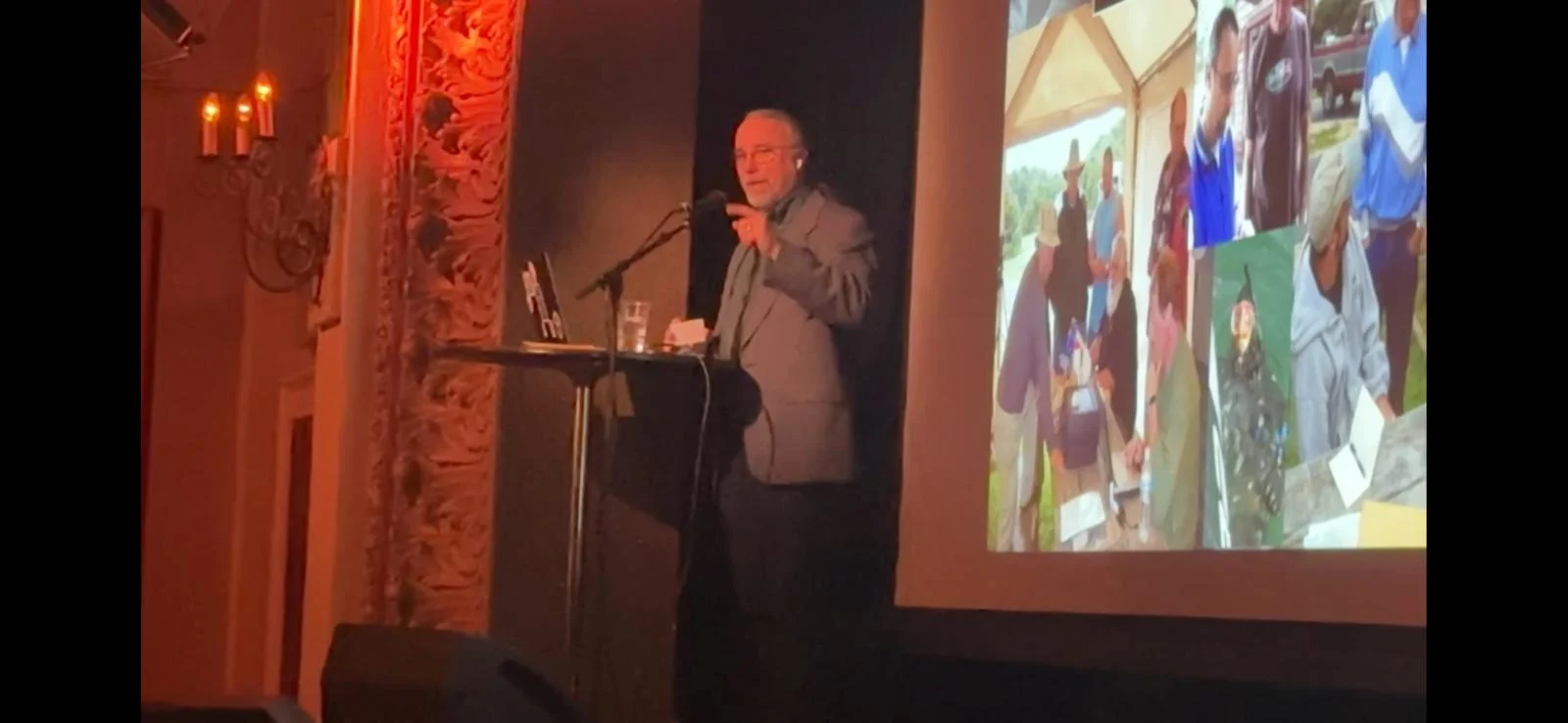
Scott Williams, M.A.
Maritime archaeologist and historical researcher Scott Williams has decades of experience in archaeological research and cultural preservation in the Pacific Northwest and Pacific Basin. A co-founder of the Maritime Archaeological Society, he served as principal investigator of the Beeswax Wreck Project, coordinating research that examined historic accounts, porcelain, beeswax and geological evidence to identify the lost Manila galleon. His team’s findings support the identification of the vessel as the Santo Cristo de Burgos, lost in 1693.
Follow Legend Code for expert interviews exploring the ship’s remarkable story, the evidence and the unanswered questions behind Oregon’s treasure legends.
Subscribe on YouTube for Scott Williams interviewsInterview videos coming soon · Subscribe for release updates.
Read more: Scott Williams biography · Beeswax shipwreck research
Long before the world met One-Eyed Willy, the wild Oregon coast had its own stories of a lost ship, mysterious cargo and buried riches. What began as accounts of a real maritime disaster became a legend that would captivate generations of treasure hunters and help inspire The Goonies.
Legend Code is following the historical evidence behind the adventure. This is the story of the Santo Cristo de Burgos, the fabled Beeswax Wreck, and the mysteries that still surround it.
A ship that vanished in 1693
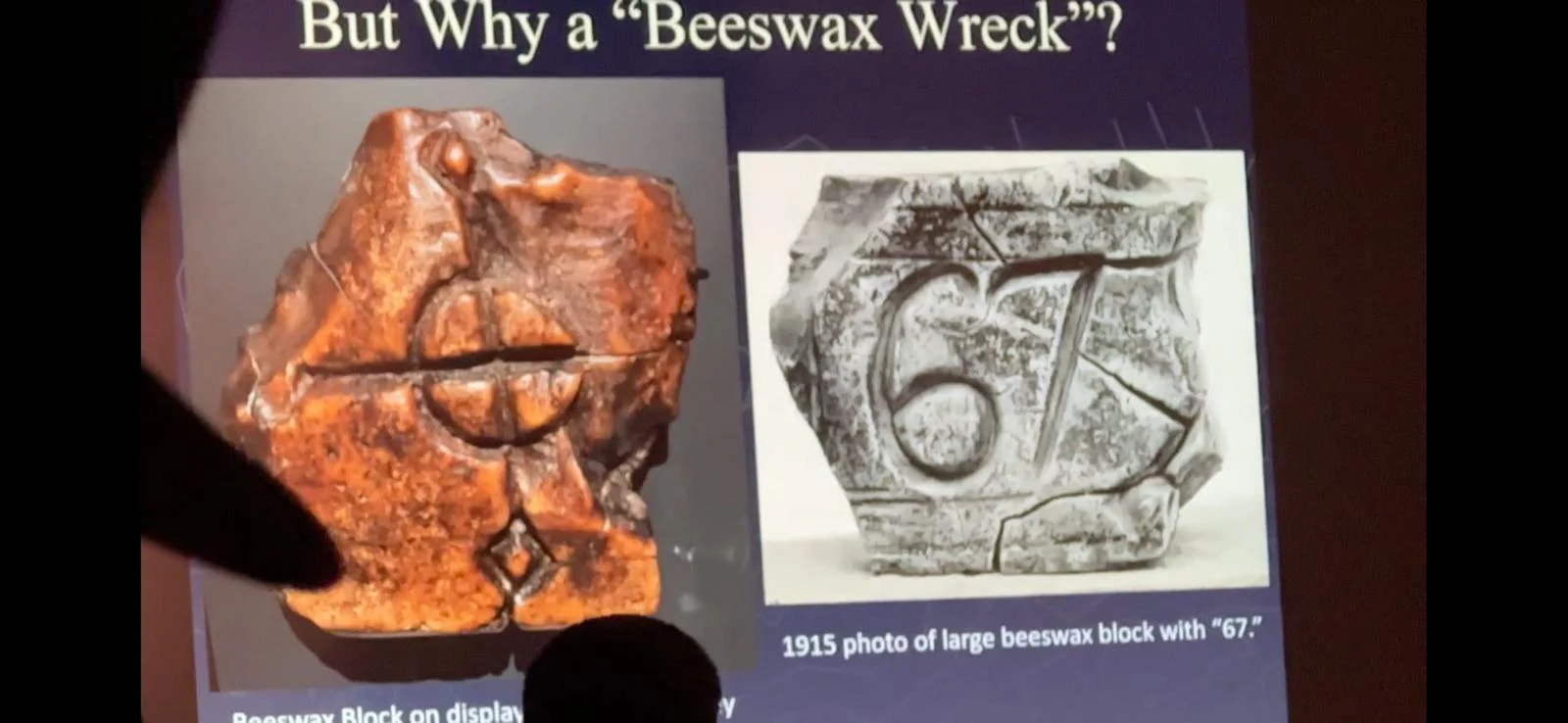
The Manila galleon departed the Philippines in 1693, bound for Acapulco. It carried goods from Asia, including porcelain and beeswax. Indigenous histories preserved memories of a foreign shipwreck, and material discoveries along the Oregon coast later supported the identification of the vessel.
Archival research, porcelain and scientific dating of wreck material helped researchers connect the wreck to the Santo Cristo de Burgos. Yet the human story of the voyage, the fate of those aboard and the transformation of its history into folklore remain fascinating questions.
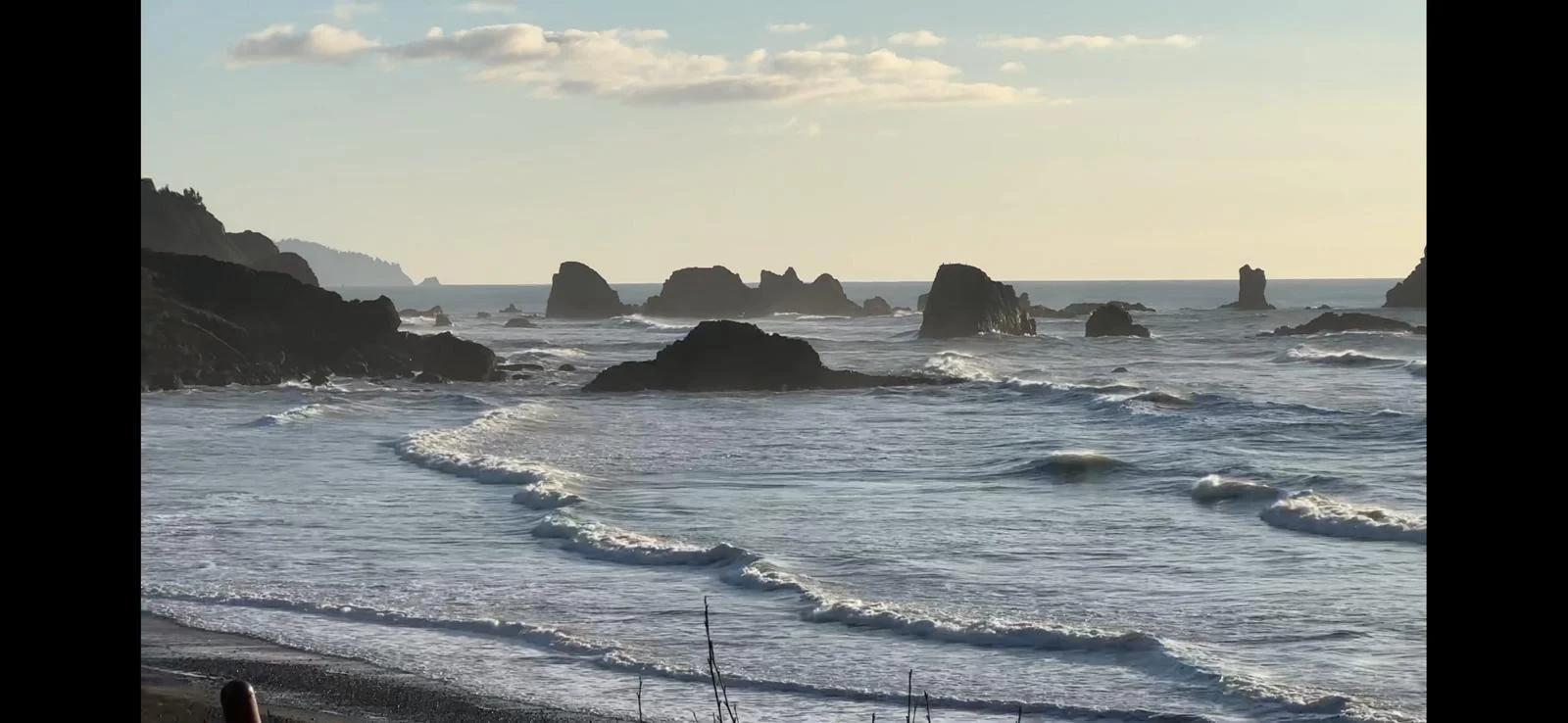

The buried treasure legends of Neahkahnie Mountain
For generations, stories of hidden riches drew attention to Neahkahnie Mountain near Nehalem. Tales of a buried chest and mysterious markings became entwined with accounts of the shipwreck. Over time, retellings and treasure-seeking enthusiasm added new layers to the mystery.
What began as Indigenous oral history has a much deeper cultural significance than the search for gold. Legend Code approaches these narratives with respect, separating documented evidence from later speculation. No buried treasure has been established by the stories alone, and this investigation focuses on history and preservation rather than disturbing cultural sites.
What if the greatest treasure is the history we have yet to understand?
From coastal folklore to Hollywood
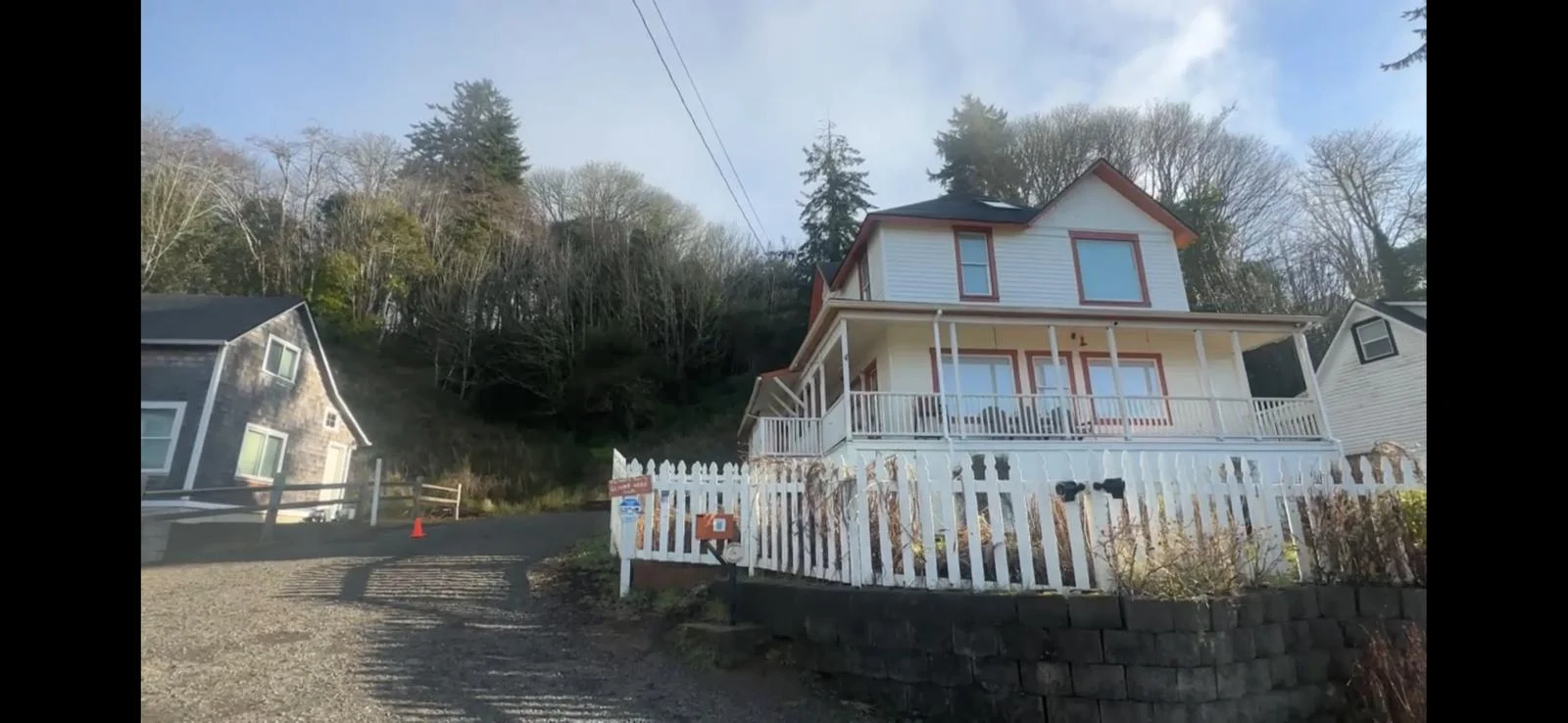
Astoria and the Oregon coast became synonymous with the adventure of The Goonies. The movie's fictional pirate story is not a literal account of the Manila galleon, but the region's shipwreck and treasure lore helped shape the imagination behind the film.

More from the expert research archive
Go beyond the legend with Scott Williams, a leading researcher on the Beeswax Wreck and author of the Oregon Encyclopedia's account of the shipwreck. Our planned bonus interviews explore how scientists connect the artifacts to the Manila galleon, how historical evidence changes our understanding of maritime legends, and the questions that still deserve investigation.

From the historic trade routes of the Pacific to the evidence left behind on the West Coast, this case is an invitation to explore the real history behind a world-famous adventure.
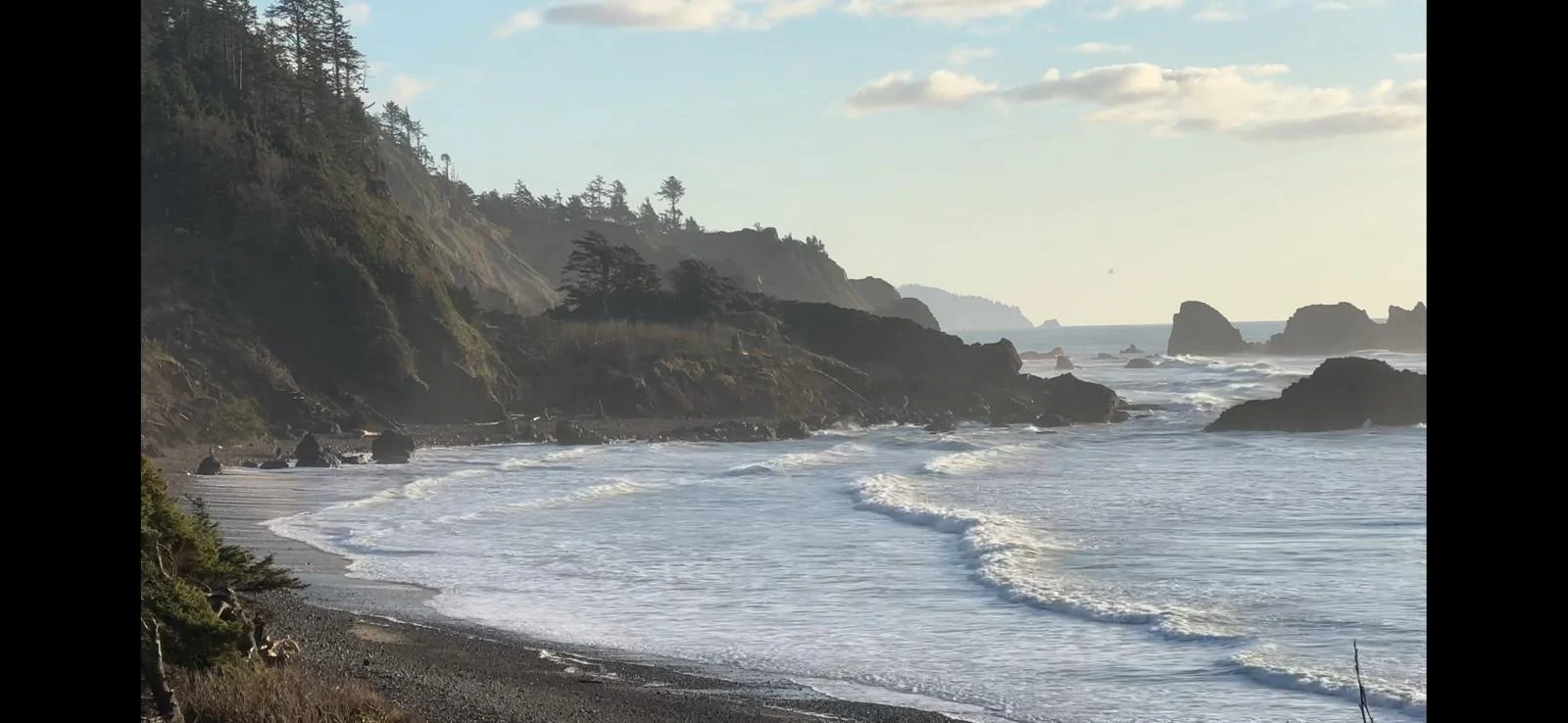
Historical background: Beeswax shipwreck — Scott Williams, Oregon Encyclopedia; Neahkahnie Mountain — Oregon Encyclopedia; Rescuing Beeswax — SEARCH. Field photography: Kru Williams / Legend Code.
Get the next case drop
Follow the investigation and be first to hear about the expert interviews and upcoming Legend Code video podcast.
Get case alerts ↗